


















Off-Feet Conditioning: Why the Bike Is a Game-Changer for Hybrid Racing
Hybrid racing places unique demands on the body. Events like HYROX require athletes to sustain a high aerobic output while repeatedly moving between running and strength-based work such as sleds, lunges, carries, wall balls and more. It’s not just about being good at running. It’s about having the engine to keep producing work under fatigue.
For many hybrid athletes, especially those coming from a strength or gym background, running often becomes the limiting factor. High impact, rising joint stress and limited recovery can quickly cap how much training volume you can tolerate. This is where off-feet conditioning — and specifically structured bike training — becomes one of the most effective tools available.

Hybrid Racing Isn’t Just Running
Yes, hybrid racing involves running. But performance is driven far more by aerobic capacity than by run mileage alone.
Your aerobic system underpins:
- How well you recover between stations
- How hard you can push sleds and carry repeatedly
- How quickly your heart rate settles after a station
- How resilient you are late in the race
The challenge is that running is a relatively expensive way to build that system. Each stride creates eccentric loading through the calves, quads, knees and hips. As weekly mileage increases, so does cumulative fatigue. Particularly when layered on top of strength training.
If training volume is limited by sore joints or constant niggles, aerobic development stalls.
What Off-Feet Conditioning Really Means
Off-feet conditioning refers to training the cardiovascular system without repetitive ground impact. The goal isn’t to replace running, but to support it by allowing athletes to accumulate aerobic work at a lower mechanical cost.
For hybrid athletes, this matters because it allows:
- Greater total conditioning volume
- Better recovery between sessions
- More consistent training weeks
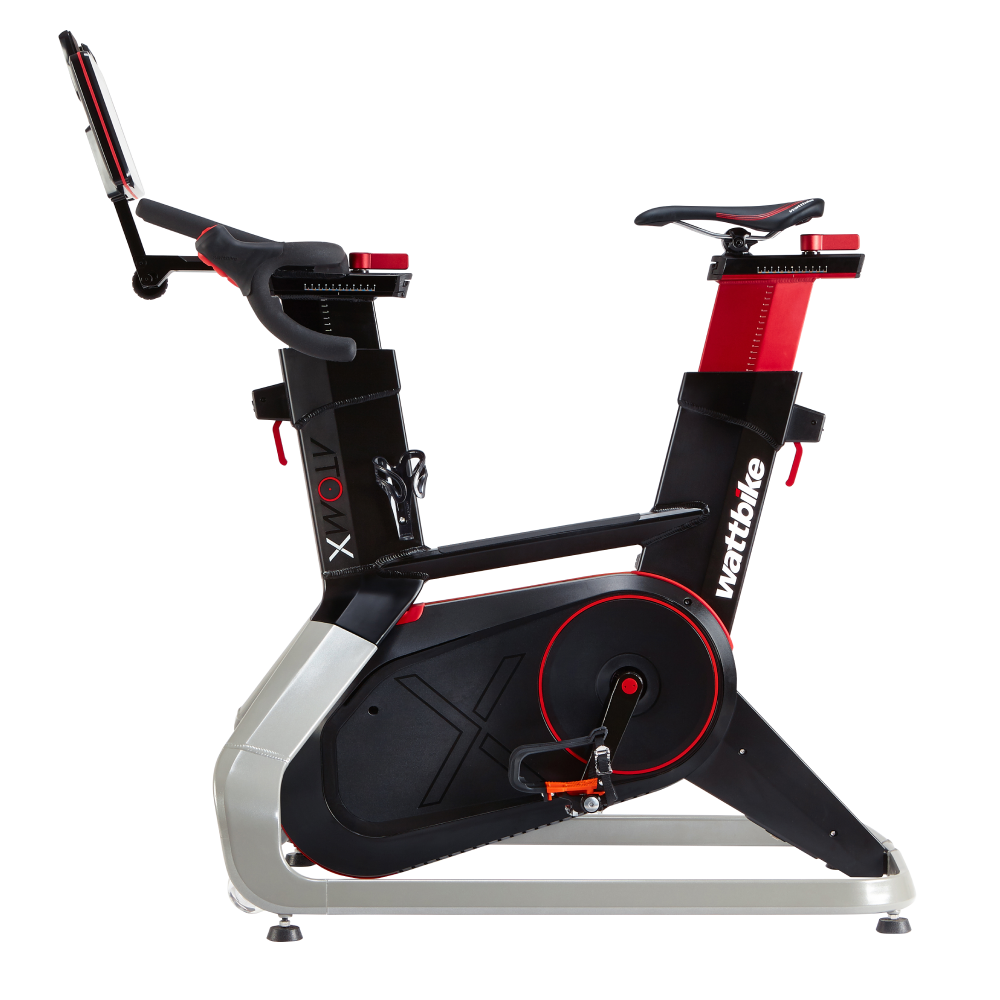
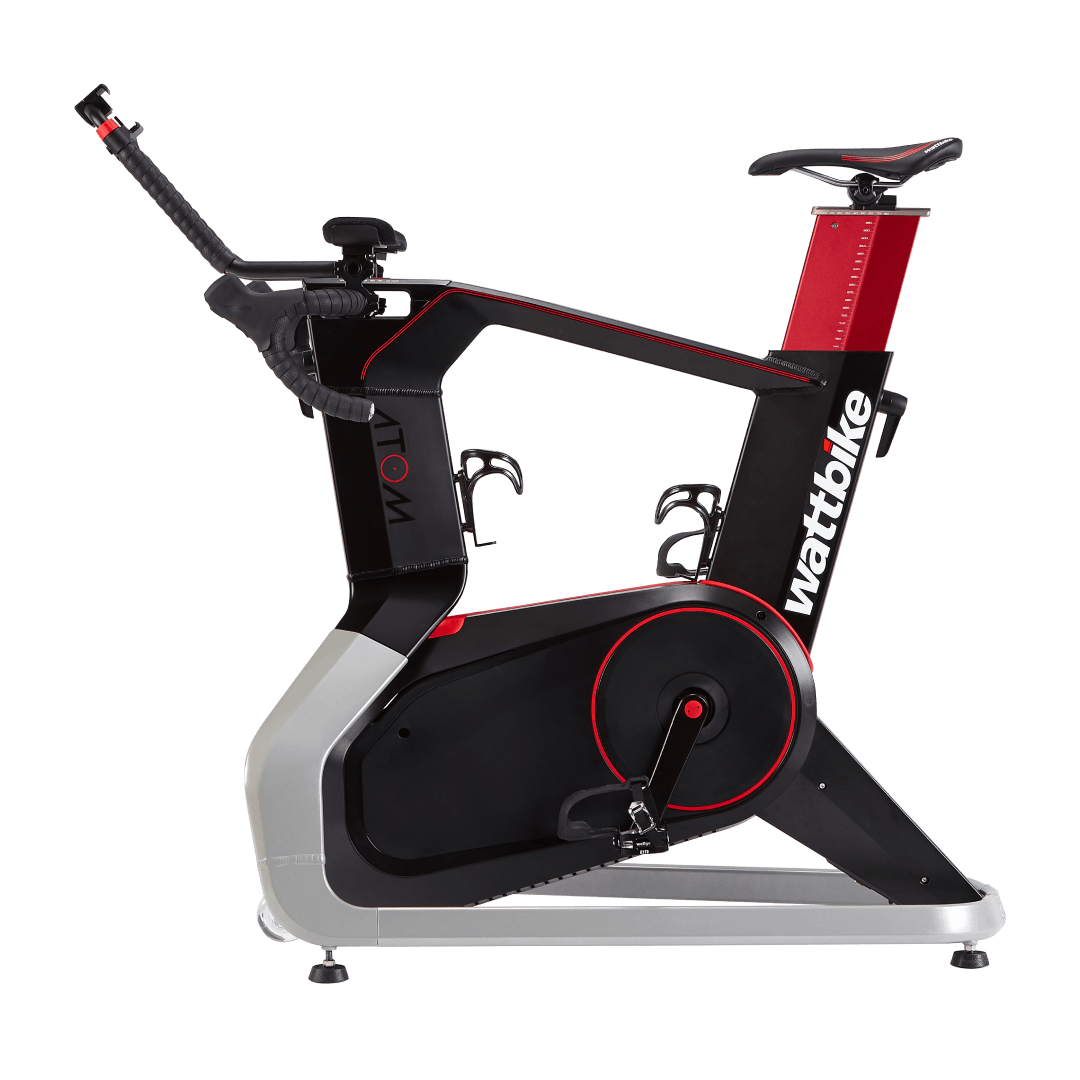
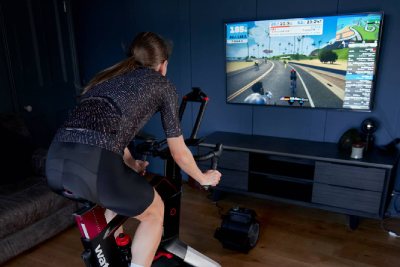
The bike is especially effective here. It allows athletes to work across multiple intensity zones, sustain effort for longer periods and control intensity precisely. All while minimising stress on joints and connective tissue.

Building a Bigger Engine With Less Cost
From a physiological standpoint, improving aerobic capacity comes down to increasing the body’s ability to deliver and utilise oxygen. These adaptations are not exclusive to running.
Cycling allows athletes to spend meaningful time in key training zones — particularly lower aerobic work and threshold efforts — without being limited by impact. That means more time targeting the systems that actually drive hybrid performance.
For hybrid racing, this translates to:
- Higher sustainable output across the race
- Less dramatic heart-rate spikes during compromised running
- Improved recovery between high-output strength stations
Rather than simply surviving sessions, athletes can train with intent and progress week to week.
Managing Training Volume as a Hybrid Athlete
One of the biggest challenges in hybrid training is balancing conditioning with strength and running. Trying to build aerobic fitness exclusively through running often results in compromised quality across all sessions.
Off-feet conditioning helps solve this by allowing athletes to increase aerobic volume without increasing overall stress. Bike sessions can be used to build capacity, reinforce recovery or target specific intensity zones depending on the phase of training.
This approach is particularly useful for:
- Athletes new to running
- Strength-dominant or heavier athletes
- Those managing joint pain or previous injuries
- High-volume training blocks
Consistency, not just intensity, is what drives long-term improvement.
Why We’re Working with the Hybrid Racer
Hybrid racing is still a relatively young sport, and many athletes are trying to piece together their training from traditional running plans, gym programmes and generic conditioning advice. That often leads to confusion, especially around how to build aerobic capacity without overloading the body.
The reason Wattbike and The Hybrid Racer are working together is to help provide clearer guidance around this.
The Hybrid Racer brings elite-level coaching experience and a deep understanding of race demands. Wattbike provides a training platform that allows those coaching principles to be applied in a controlled, measurable and repeatable way.
Together, the aim is to help athletes understand not just what to do, but why they are doing it. Particularly when it comes to off-feet conditioning. Using the bike makes it easier to control intensity, accumulate meaningful aerobic volume and repeat sessions consistently alongside running and strength work.
By combining structured coaching with a reliable training platform, this partnership supports hybrid athletes in making informed decisions about their training, managing load more effectively and building a stronger aerobic engine over time.
Simple, Practical Guidance You Can Apply
Understanding the theory is only useful if athletes know how to apply it.
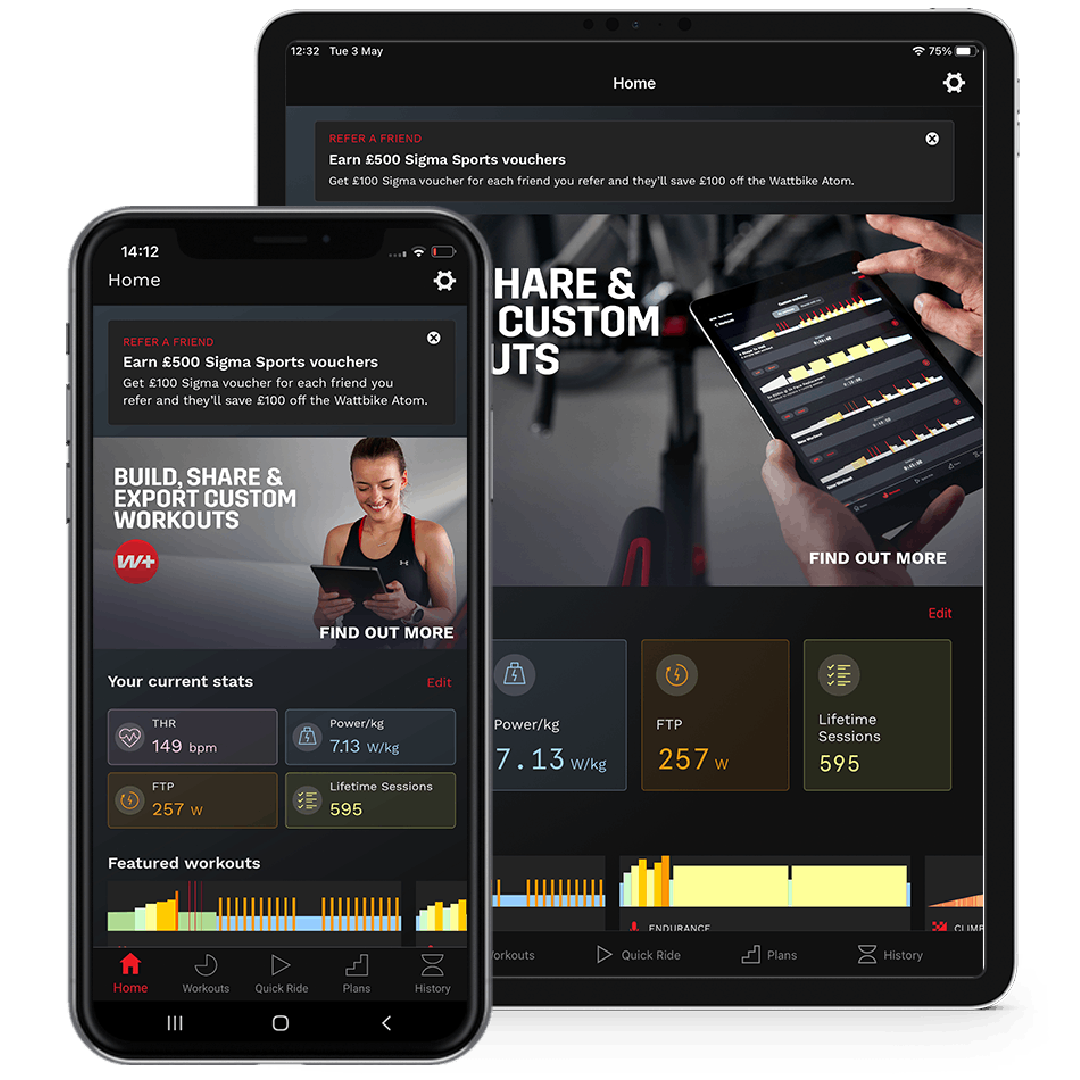
That’s why the Hybrid Racer 8-Week Training Plan is available within the Wattbike Hub App. The plan is designed specifically for hybrid athletes looking to improve conditioning without simply adding more running.
Across the eight weeks, sessions are structured to:
- Build aerobic capacity using off-feet conditioning
- Expose athletes to multiple intensity zones
- Complement their strength and running training
- Improve repeatability under fatigue
Every session has a purpose, and intensity is guided so athletes can train with confidence rather than guesswork.
Running Still Matters — Just Not at All Costs
This isn’t an argument against running. Running remains an important part of hybrid racing and should be trained appropriately.
However, the most effective hybrid athletes use multiple tools to develop performance. The bike allows athletes to build the aerobic engine that underpins race-day output, while protecting joints and preserving quality across the rest of their training.
In a sport where the ability to keep producing work matters more than perfect run splits, that balance is critical.
Train Smarter for Hybrid Racing
Hybrid racing rewards athletes who can sustain output, recover quickly and remain durable under fatigue. Off-feet conditioning is one of the most effective ways to support those demands.
If you’re looking to build aerobic capacity, manage training volume more effectively and approach conditioning with more intent, structured bike training can play a key role. Especially when guided by elite coaches who understand the demands of hybrid racing.
Find out more about the Hybrid Racer 8-week program here.
https://wattbike.com/pages/hybrid-racer
Also in Training


Blue Monday: How to Stay Motivated and Build Fitness Habits That Last
Blue Monday marks the point where motivation fades and fitness goals are tested. But long-term progress isn’t built on motivation alone. Discover how habit formation, structure and smarter training with the Wattbike Hub App can help Wattbikers stay consistent and committed. Long after January enthusiasm disappears.


Why Benchmarking Matters
Ever wonder why some athletes make rapid gains while others plateau? The secret isn’t just hard work, it’s benchmarking. Without knowing your starting point, training can be guesswork. The right test, from an FTP or ramp test for endurance to short maximal efforts for power, gives you the data to train smarter, not harder. Benchmarking transforms every session into a targeted, purposeful workout, accelerates progress, and ensures recovery is effective. Plus, regular re-testing keeps your training in sync with your improving fitness, so you stay ahead of stagnation and build sustainable, long-term performance. Discover how to train with clarity, confidence, and measurable results.